Impact of Interior Design on Well-Being
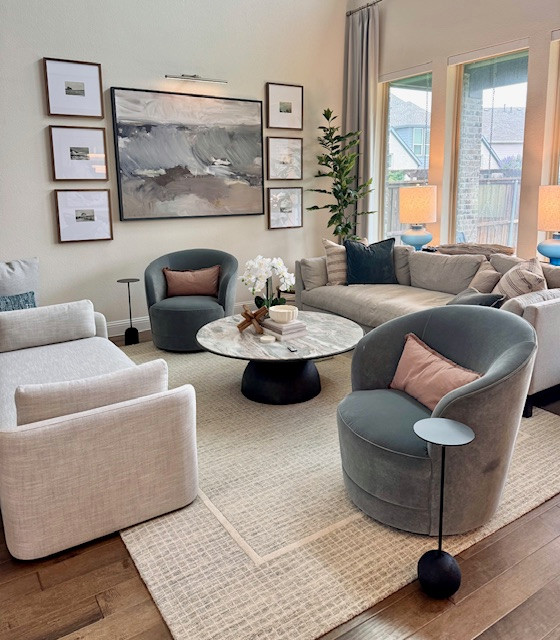
The Impact of Interior Design on Well-Being: Creating Calm, Peace, and Purpose at Home
Our homes shape us more than we often realize. They influence how we rest, how we connect, how we focus, and how we feel. Interior design is not simply about aesthetics, it is about stewardship of space, supporting well-being, and creating environments that nurture our souls. When approached with intention, design has the power to cultivate calm, invite peace, and align our daily living with a deeper sense of purpose.
Creating Calm Through Thoughtful Design
Calm does not happen by accident. It is created through restraint, balance, and intention.
Interior design supports calm by:
- Reducing visual noise and unnecessary clutter
- Using cohesive color palettes that soothe rather than overstimulate
- Designing layouts that allow natural movement and flow
- Incorporating natural light and organic materials
Scripture speaks often of peace as a state to be cultivated:
“And a harvest of righteousness is sown in peace by those who make peace.” — James 3:18
A peaceful home supports emotional regulation, better sleep, and a sense of refuge from the demands of daily life. Design choices that prioritize calm help transform a house into a place of restoration.
Designing for Peace and Emotional Well-Being
Peace is not only spiritual it is practical. When a space works well, stress is reduced. When storage is adequate, routines feel easier. When lighting is layered and appropriate, the nervous system responds.
Designing for peace means:
- Creating zones that support how the space is actually used
- Ensuring furniture scale and layout promote comfort
- Using materials that are natural, soft, neutral yet timeless
Peaceful environments help support peaceful minds.
“Now may the Lord of peace himself give you peace at all times and in every way.” — 2 Thessalonians 3:16
Designing With Purpose: Function as a Form of Care
Intentional design begins by asking the right questions—not about trends, but about how a space is meant to serve the people who live there. Purpose and function are inseparable, and together they form one of the most caring aspects of interior design.
Purpose-driven design considers:
- How the space is used day to day
- Who uses it and how often
- What currently creates stress, friction, or inefficiency
When a room’s purpose is clear, function follows. Storage is placed where it is needed. Circulation paths feel natural. Lighting supports both task and rest. These decisions may seem subtle, but they profoundly affect daily life.
Function, at its core, is a form of care. A well-functioning home reduces mental load, supports routines, and allows families to move through their days with greater ease and clarity. Beauty alone cannot accomplish this because without function, even the most visually appealing space will eventually create frustration.
Scripture reminds us of the value of order:
“Let all things be done decently and in order.” — 1 Corinthians 14:40
When design decisions are made thoughtfully and with purpose, the home becomes more than aesthetically pleasing, it becomes supportive, efficient, and restorative. Intentional, functional design is not about excess or perfection. It is about creating spaces that truly serve the people within them.
A Home Supports and Reflects
Interior design has the power to support well-being physically, emotionally, mentally, and spiritually. When calm, peace, and purpose are prioritized, the home becomes more than a backdrop, it becomes a place of renewal. When guided by faith, design ultimately allows our homes to reflect the heart of our Creator.